Students Correct Their Recall in Another Color — Does That Help?
One client recently told me learned this lesson the hard way.. In middle school classrooms, where students juggle multiple subjects and active engagement can wane by mid-afternoon, effective review strategies are vital. One technique gaining attention is having students correct their initial recall answers using a different color pen or marker. But does this colorful self-correction truly enhance learning, or is it simply a neat classroom gimmick?
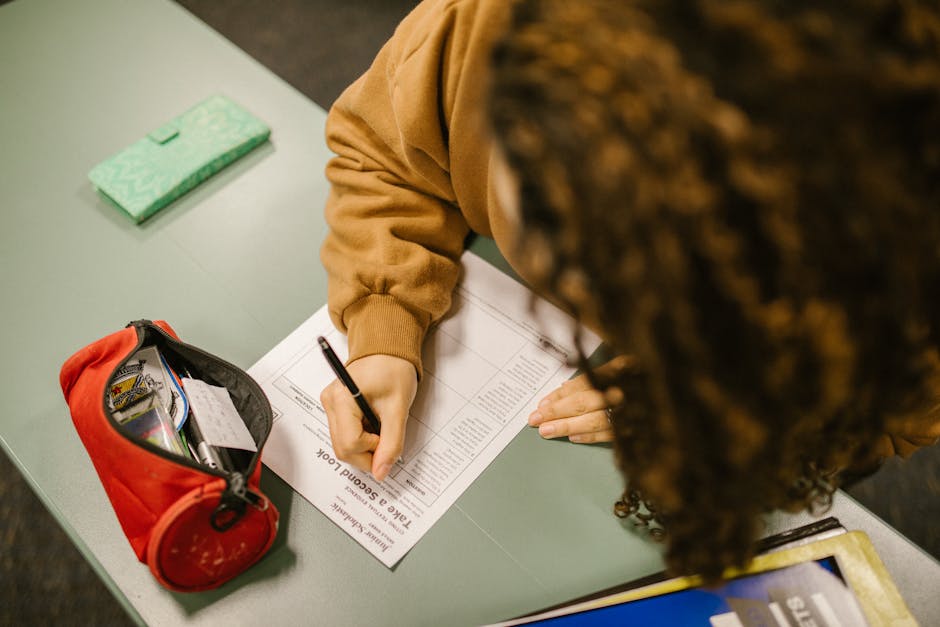
Drawing on my 11 years of classroom experience as both an educator and department lead, this post dives deep into how correcting recall in another color integrates with metacognition strategies and self-correction review. I’ll also explore how structured team challenges with simultaneous answer reveals, scoring that rewards explanations, and student-generated questioning amplify the benefits of this approach.
Why Active Retrieval Matters More Than Passive Review
Before we unpack the “color correction” method, it's crucial to understand the foundational principle underpinning it: active retrieval. Research shows that actively recalling information from memory—rather than just rereading notes or textbooks—significantly strengthens learning and retention.
- Active retrieval means trying to bring knowledge to mind without prompts.
- Passive review often involves rereading or highlighting, which can create illusions of mastery.
- When students correct their recall answers in a new color, they engage a deeper level of processing that anchors learning.
Simply put, when students attempt to recall an answer and then assess and revise it, they practice metacognition: monitoring and evaluating their own understanding.
Metacognition Strategy: Self-Correction as a Learning Tool
Using a second color to correct recall is not just about neatness or classroom aesthetics. It plays directly into metacognitive strategies by prompting students to:
- Compare their initial memory-based response to the correct answer or peers’ responses.
- Identify discrepancies between their recall and accurate information.
- Articulate the reason behind the correction, cementing their understanding.
This overt comparison— compare notes to memory—moves the student from guessing or shallow recall to actively analyzing their own knowledge gaps.
Team Challenges That Protect Think Time and Promote Discussion
One way I’ve incorporated this strategy is through a team challenge format with simultaneous answer reveals. Here’s how it works:
- Students silently write their initial answer individually using one color.
- Teams come together to discuss their responses without showing them yet, protecting individual think time.
- At a set time, teams reveal their answers simultaneously.
- Students then use a second color to correct or expand their answers — either individually or as a group.
This approach ensures that all students have time to think deeply before any vocal influence, helping prevent the all-too-common scenario where one confident voice drowns out quieter or less sure teammates.
Why Simultaneous Answer Reveal Matters
- Protects independent thinking and recall.
- Reduces premature blurting of answers and disengagement.
- Facilitates richer, more equitable discussion during corrections.
The dual-color correction phase then serves as an explicit self-correction review backed by team dialogue, rather than an afterthought or late revision.
Scoring That Rewards Explaining and Identifying Errors
Gamification can inject energy into review without sacrificing depth, especially when scoring focuses on key cognitive skills:

- Points for correct initial recall: Reinforces effort in retrieval.
- Bonus points for self-correction explanations in the second color: Emphasizes metacognition.
- Additional credit for identifying why an alternative answer is wrong: Fosters critical thinking.
This kind of scoring shifts student focus from just “getting the right answer” to understanding the “why” behind their knowledge and errors. It encourages ownership of learning and helps build a classroom culture where mistakes are learning opportunities—not just penalties.
Student Ownership Through Question Writing
To deepen engagement and critical thinking, I’ve integrated question writing as part of the team challenges. Here’s why this helps:
- Students must analyze content well enough to create meaningful questions.
- Writing questions encourages them to see knowledge from the teacher’s perspective—what matters? what’s tricky?
- They take ownership of the review process, making it a collective effort.
Often, the questions students write become part of the next team challenge round, creating a continuous cycle of active recall, correction, and metacognitive reflection.
Putting It All Together: Sample Classroom Flow
Step Activity Purpose 1 Individual recall answers in one color Engage active retrieval and independent thinking 2 Team silent discussion without revealing answers Protect think time, foster peer collaboration 3 Simultaneous answer reveal Equal footing, avoid dominance of certain voices 4 Correction in a second color, with explanations of why initial or other answers were incorrect Metacognitive reflection and self-correction 5 Score based on correctness, explanation, and error identification Incentivize deeper thinking 6 Teams write their own questions for future use Ownership of learning and preparationWhy This Matters: Avoiding Loud but Shallow Reviews
In my years coaching new teachers, I’ve seen plenty of review activities that get noisy but don’t deepen learning—students blurting answers while others zone out, or rereading notes until eyes glaze over. The methods described here combat those pitfalls by:
- Encouraging all voices equally through protected think time.
- Keeping answers visible but differentiated to encourage active self-monitoring.
- Tying energy and competition to intellectual challenges, not just speed or volume.
- Promoting ownership through question writing and explanation.
In Conclusion: Does Correcting Recall in Another Color Help?
Yes—when embedded within a thoughtfully structured, metacognitively rich review system that values self-correction, peer interaction, and critical evaluation. The colored correction is more than just a visual cue; it’s a signal of reflection and growth.
By layering differentiated test review stations individual thought, team collaboration, gamified scoring, and student question creation, classrooms become vibrant spaces where recall isn’t just about what’s remembered, but about understanding why it matters—and why errors happen.
So next time you see a student switching pens mid-review, ask the "why" behind it. It's often where the best learning happens.